Daily Digest — 2026-09-22
Jump to a section
Signals
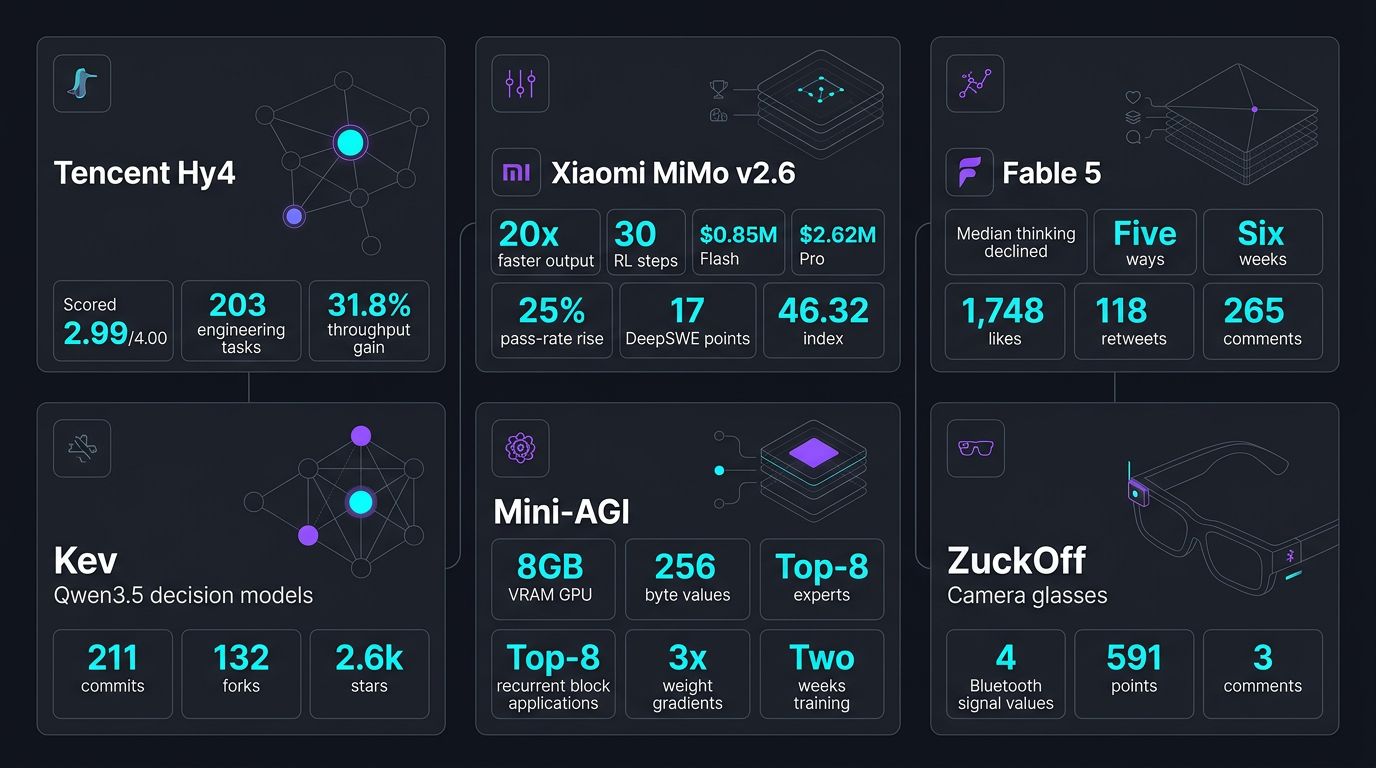
- Tencent Hy4 scored 2.99/4.00 on 203 engineering tasks with 31.8% throughput gain. Open model users.
- Xiaomi MiMo v2.6 reached 20x faster output, 30 RL steps, $0.85M Flash, $2.62M Pro, 25% pass-rate rise, 17 DeepSWE points, 46.32 index. Top open model.
- Fable 5 reported median thinking declined across five ways in six weeks, 1,748 likes, 118 retweets, 265 comments. Reasoning quality concerns.
- Kev built 211 commits, 132 forks, 2.6k stars on Qwen3.5 decision models. Community adoption strong.
- Mini-AGI runs on 8GB VRAM GPU, 256 byte values, up to 24 recurrent block applications, top-8 experts, 3x weight gradients, two weeks training. Efficient tiny model.
- ZuckOff detected 4 Bluetooth signal values for camera glasses, 591 points, 3 comments. Privacy detection focus.
Themes
AI Models & Research
AI model research is getting more selective: constrained decision models trade open-ended text for typed outputs, while RL and inference regimes push capability in coding and knowledge work. The real story is not just bigger models, but tighter contracts around what a model is allowed to do.
- An ex-OpenAI researcher just deleted language from the LLM…

Jev raised $40 million after two years in stealth, then claimed 200x faster, 400x cheaper typed decisions for app logic and lower latency, with zero hallucinations reported. - Xiaomi MiMo v2.6330
Xiaomi MiMo v2.6 ran 30 RL steps on roughly 750k trajectories per model, pushing the Pro version to the top of the cited open-source index for verifiable coding work. - Fable 5 – Median thinking declined in August265
Fable 5 logged 1,748 likes, but median thinking declined in August because the served inference regime allocated fewer thinking tokens than expected, not just the requested xhigh effort. - Kev: Tiny Jev-like family of decision models built on top of Qwen3.5191
Kev has 2.6k stars for a tiny Jev-like decision-model family built on Qwen3.5, so teams can self-run constrained outputs instead of paying for open-ended chat on their own infrastructure. - I don’t want to read what you didn’t write160
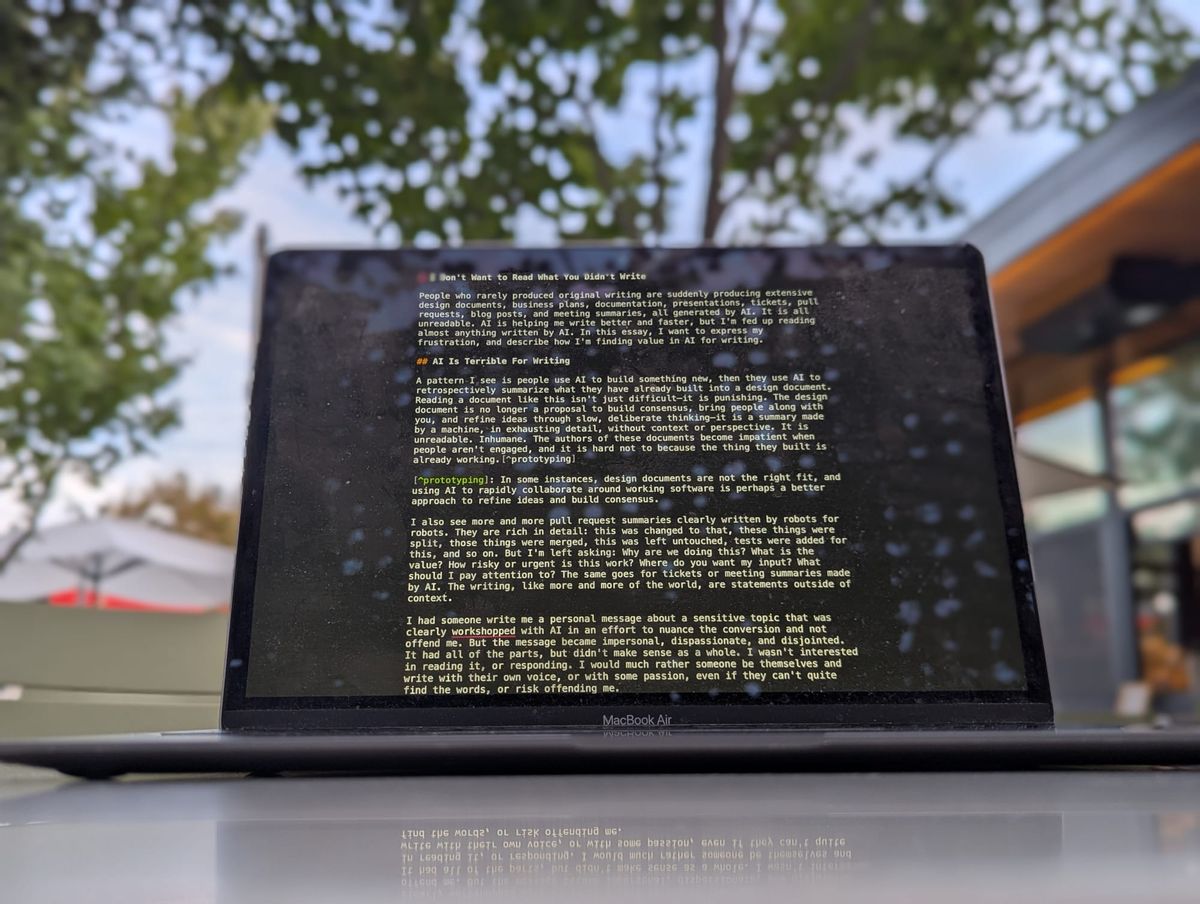
Readers reported 78% stop reading AI-assisted or AI-authored articles, and 98% prefer the author’s own writing, because polished summaries strip out the writer’s context and voice. - Show HN: Mini-AGI – Dynamic continual learning model trained on 8GB VRAM57
Mini-AGI demoed an 8 GB VRAM GPU for continual byte-level learning, reading one byte chunk per gradient step so the same path can serve and learn without a separate fine-tuning regime. - Grok 4.7466
Grok 4.7 scored 46.3% on CursorBench 4.0 and 71.0% on DeepSWE v1.1 high effort, while keeping Grok 4.6 token prices and training longer on multi-hour work for coding and knowledge tasks. - Jev-Leftpad87
Jev-Leftpad made 0 to 10 spaces via one TypeSafe API request per call, but padStart() remains the better JavaScript tool for left padding in production code.
Web Technologies & Publishing
Good web systems often get sharper when they remember older constraints: durable text, tiny stylesheets, and minimal protocols all make hidden state visible. That suggests publishing is less about adding features and more about choosing what readers can inspect.
- Markdown in /src
Markdown gets one /src/md directory for architectural intent, so agents can treat decisions as reviewable source instead of disposable chat. Generated code then has a human-readable contract beside it. - Do you use :visited on links?
CSS :visited uses two colors to separate old links from fresh ones, which helps readers scan long feeds without hunting for repeats. The tradeoff is simple: one visual cue changes navigation. - Why do computers look like this anyway?

Desktop GUIs span 1940s to 1960s of experiments before windows, pointers, and icons became normal. The payoff is that computer work can look like objects on a desk instead of only commands in a terminal. - Creating a Blog in Gemini://

Gemini uses port 1965 for a one-request, one-response web. That keeps publishing text-first and cheap enough for a $5 SmolPub lifetime, so writing beats HTML, CSS, and JavaScript. - Squalk: an old-school forum engine built on Nostr (NIP-29 groups, NIP-7D threads)
Squalk mixes NIP-29 and NIP-7D into configurable Nostr forums, with simple mode exposing one forum and full mode supporting many. Admin-authored kind 30023 events decide resources and custom pages, so relay data becomes moderated content.
Security & Privacy
Privacy boundaries are being renegotiated at tiny seams, where small trust decisions decide whether a system hides, exposes, or executes. The surprising part is that the same pattern—trusting a control path without inspecting its assumptions—appears on both defensive and offensive sides.
- Heretic removes restrictions from language models102
Heretic-llm’s 244-point project strips model safety restrictions via pip, shifting control toward users and defensive cybersecurity work. - stack unwinding can lead to leakless code execution
glibc 2.44 forced unwinding can become attacker-controlled bytecode when DWARF frame data runs through libgcc_s; two primitives plus null-byte writes unlock code execution. - Turn off and restrict access to Apple Intelligence features on Mac183
Apple Intelligence has five built-in access paths across System Settings, Messages, Mail, Phone, and Journal; Screen Time can restrict access for adults or children. - Windows Exploitation Techniques: Dangling COM Object Registrations
Windows reports 14 others on dangling COM registrations; two OBJREF mechanisms let a custom marshaler load a DLL from user-writable ProgramData and escalate privileges. - ZuckOff Know when a camera is in the room3
ZuckOff’s 591-point scanner checks four Bluetooth signatures for camera glasses, but silence or detection alone cannot prove recording; logs can export to CSV.
Systems & Language Foundations
Across browsers, hypervisors, languages, and schedulers, systems get more reliable when hidden machinery is replaced by explicit contracts. The surprising part is how often those contracts shrink code even as they expose harder tradeoffs.
- Skia compositor for WPE WebKit and WebKitGTK
WPE WebKit 2.54 replaced TextureMapper with SkiaCompositingLayer. Filters, clipping, and masks test 3-4x faster, with leaf cases about 20% slower. - Deterministic Hypervisors For Cheap
Deterministic hypervisors isolate 2 main nondeterminism sources: concurrency and hardware. Cooperative scheduling makes replay easier because guests yield at hypercalls instead of racing timers. - Textbook review: Is Parallel Programming Hard, And, If So, What Can You Do About It?

TLA+ review after a 1.5-week vacation: the reviewer found that formal concurrency knowledge still missed CPU cache effects. The lesson: model memory as part of the system, not a compiler detail. - Named and Optional Arguments are Awesome
Named arguments in 16 pixels and 2 fields: Dart and C# keep call sites readable with named defaults. TypeScript and Rust turn the same flexibility into objects or structs. - D2300R11:
std::execution
std::execution with 3 key abstractions: schedulers, senders, and receivers. C++ gains a vocabulary for composable asynchronous work instead of inventing per-project pipelines.
Embedded & Hardware
Embedded projects are shrinking the gap between software cadence, silicon prototyping, cross-platform reuse, and low-power tuning. The common thread is not raw capability but making constrained hardware predictable enough for shipping and compliance.
- Canonical announces Zephyr 26.04 LTS

Canonical Zephyr 26.04 LTS pairs 5 years of upstream support with a full OTA path, so embedded manufacturers can plan longer CRA-compliant device lifecycles. - Designing silicon from scratch

A first-time chip designer taped out a custom processor in 1 month, with 20 to 30 transistors holding one bit, proving custom silicon can move from idea to working hardware inside a sprint. - Making a game for the GBA and PC from the same codebase

A third e-reader adventure reused one C engine across two platforms, with about a dozen printers shaping release risk, so PC builds de-risk GBA shipping. - Overview of AOOSTAR WTR Pro on *BSD
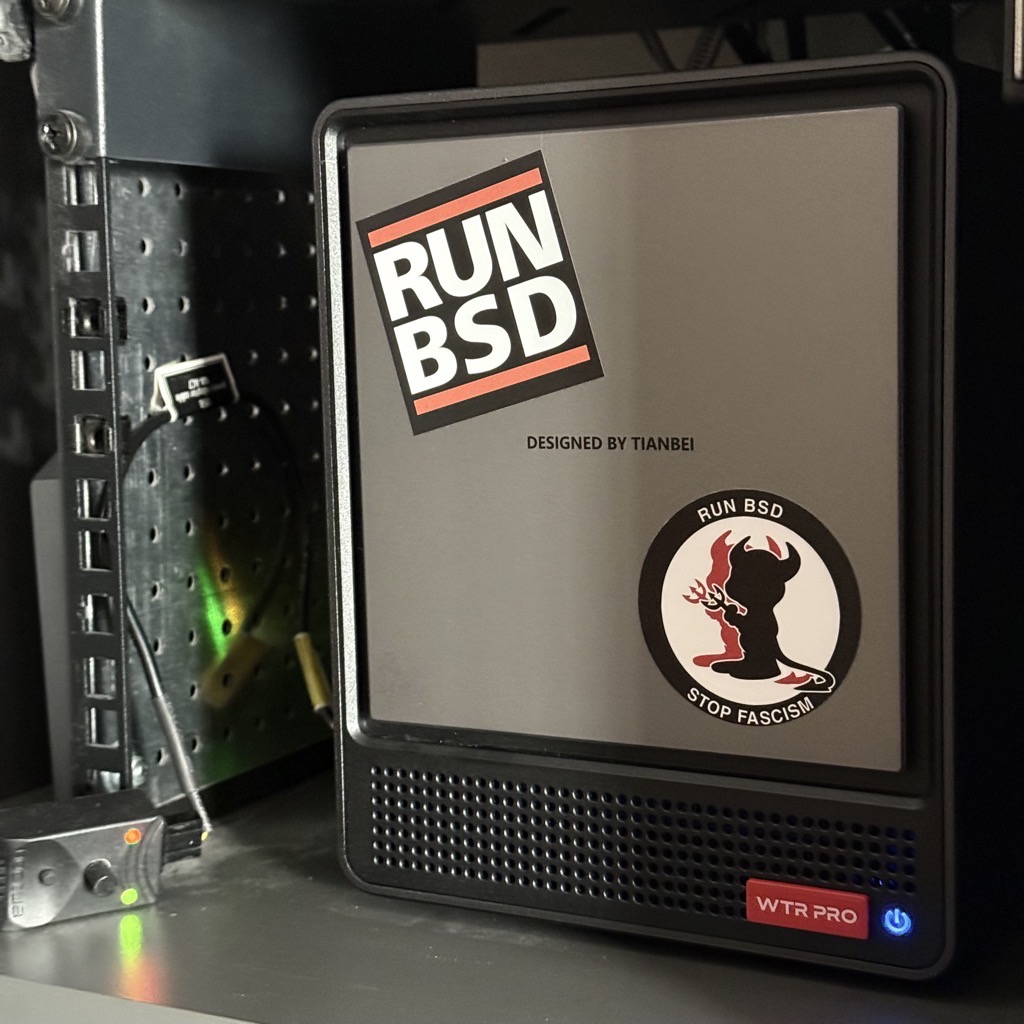
AOOSTAR WTR Pro idle drops to 8 W after disconnecting USB devices, while powertop auto-tune can pull Debian to 9 W, so BSD mini-PC buyers can tune power before judging the platform.
Developer Tools & Self-Hosting
A self-hosting stack starts to feel complete when the outside world can reach it, your commands survive device changes, and your desktop behaves like part of the lab.
- Self-Hosting Behind CGNAT
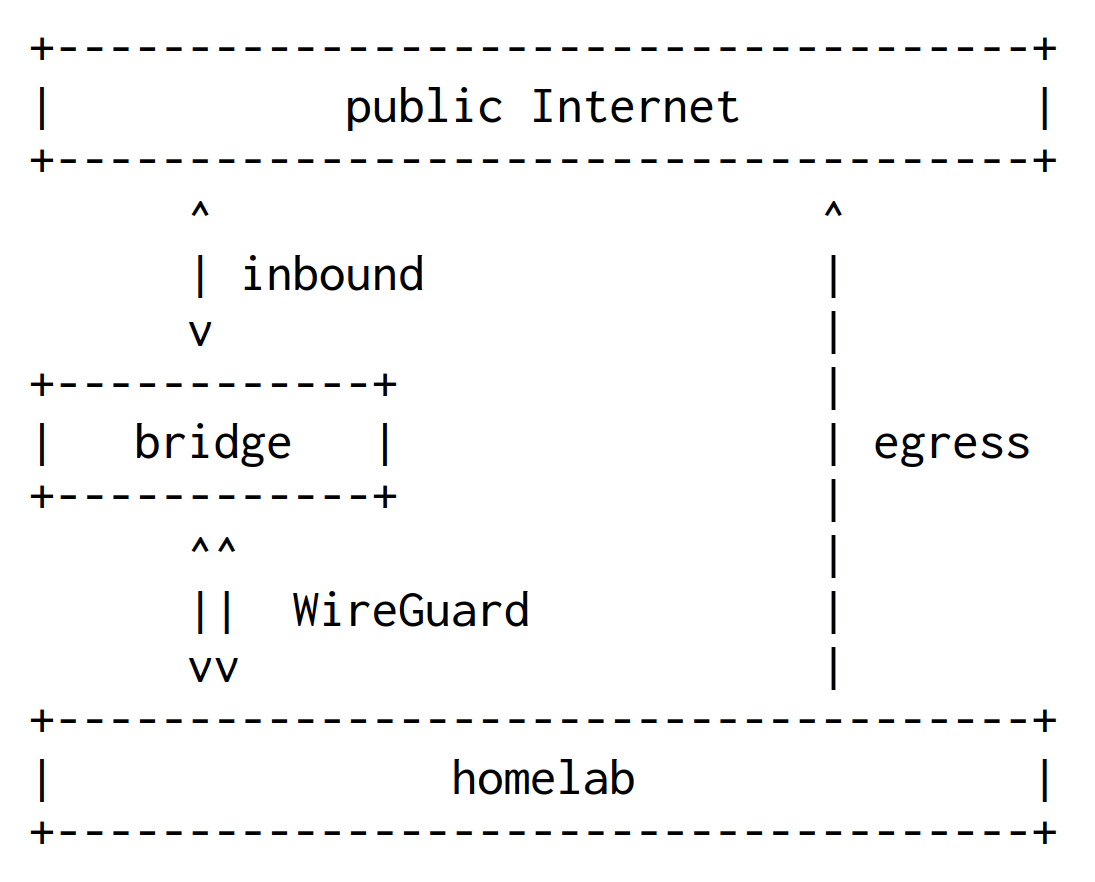
39 ms RTT is the price of making a CGNAT homelab reachable through a cheap VPS bridge, without assigning the home router a public IP or changing carrier-grade NAT. - tobi: keep commands running in detachable sessions across your devices
92.8% Go powers tobi, a tool that keeps commands in detachable PTY sessions, starts a shell on Enter, and can discover hosts across devices for work split between machines. - rift - a tiling window manager for macos
3 crashes reported for Rift, a macOS tiling window manager with hot-reloadable layout controls and Mach-port IPC for a more integrated desktop workflow.
Weekly & Community Roundups
This week’s roundup pairs emerging device-layout experimentation with storage engineering that trades cache locality for massive disk savings. Together, the picks show how small technical choices can reshape what teams can build now, even when APIs or hardware realities lag.
- Is the Jev Hype Overblown? ⟡ Claude AGENTS.md support ⟡ TinyCast smaller Raycast ⌁ Syntax Weekly ⌁

Xcode 27.1 beta exposes two CSS APIs for foldable iPhone layouts. Developers can test split and folded posture now, but Safari may keep them behind for about one year. - What are you doing this week?

64 longs cut index storage by about 70%. The tradeoff: byte planes plus LZ4 save about 4 TB per index partition, but cache access gets worse.
Filtered out13 links
These scored below 40% relevance, so they were left out of the digest.
- Lifestreams: a storage model for personal data (1996)ee.columbia.edu · 37%
- Relation algebra is not relational algebraremy.wang · 35%
- Coding Theory: A Playful Introductionparamrathour.github.io · 31%
- Why 0xCAFEBABE?artima.com · 30%
- What happened to the Snowden archivelibroot.org · 30%
- Ju! Ju! Tsuarialdo.codeberg.page · 27%
- What Sun got wrongbcantrill.dtrace.org · 22%
- NASA’s Mars Sample Return mission is deadscience.org · 20%
- Attention is all you havealicegg.tech · 20%
- Disney+: New user agreement allows ads before movies in all subscriptionsconsumerrights.wiki · 20%
- Running an Optimal Traceanishathalye.com · 20%
- Grim Fandango Puzzle Document (1996) [pdf]gameshelf.jmac.org · 20%
- evocation - Call forth the blue-green flame of computation from the universe, weave its energies into a fabric, that we may share our blood with itcode.irenes.space · 15%
Generated by Clio Analyst