Daily Digest — 2026-09-19
Jump to a section
Signals
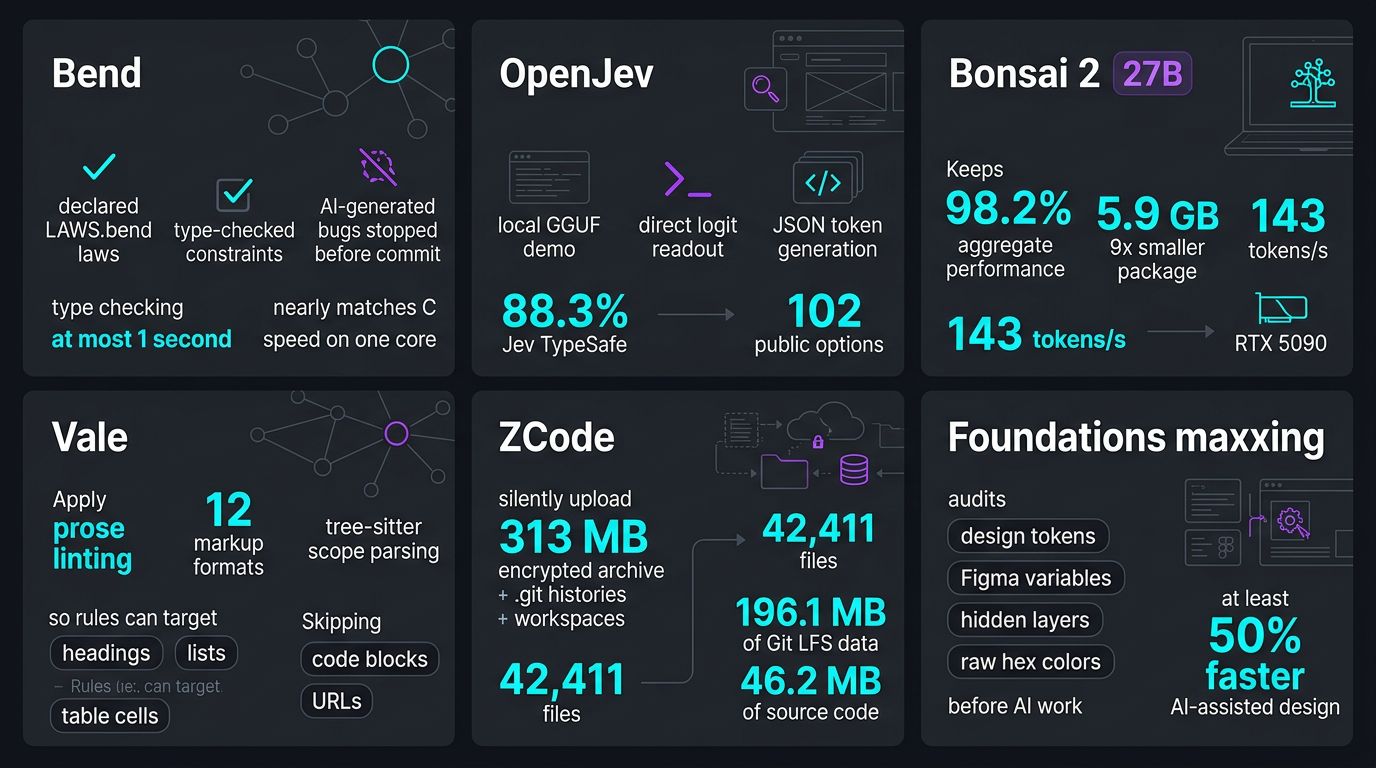
- Bend turns declared LAWS.bend laws into type-checked constraints that can stop some AI-generated bugs before commit; type checking takes at most 1 second and nearly matches C speed on one core. Reliable AI development.
- OpenJev’s local GGUF demo combines direct logit readout with JSON token generation, achieving 88.3% Jev TypeSafe across 102 public options. Local AI UI teams.
- Bonsai 2 27B keeps 98.2% aggregate performance in a 5.9 GB, 9x smaller package, reaching 143 tokens/s on an RTX 5090. Local deployment teams.
- Vale applies prose linting to 12 markup formats with tree-sitter scope parsing, so rules can target headings, lists, and table cells while skipping code blocks and URLs. Docs engineering teams.
- ZCode silently uploads a 313 MB encrypted archive containing .git histories from workspaces with 42,411 files, including 196.1 MB of Git LFS data and 46.2 MB of source code. AI coding security.
- Foundations maxxing audits design tokens, Figma variables, hidden layers, and raw hex colors before AI work; teams report at least 50% faster AI-assisted design. Design-system teams.
Themes
AI Coding Workflows and Guardrails
AI coding workflows are adding a middle layer between prompts and production: intent gets declared, tools check it, and teams can catch failures before commit.
- Bend
Bend can type-check declared laws in 0.38s before commit, giving teams a guardrail against AI-generated bugs that slip past ordinary review. - Bend 2 and the Vibe-Coding Trap229
Bend 2 uses 58 lines for simple laws, exposing how much simpler existing approaches AI may rediscover during vibe coding. - Claude Code now reads AGENTS.md if there is no Claude.md208
Claude Code 2.1.277 falls back to AGENTS.md without Claude.md, so project instructions can shape AI behavior even when the preferred file is missing.
AI-Native Interface Experiments
AI-native interfaces are becoming less about abstract agents and more about tiny local models pressed into UI work: choosing, scoring, and explaining options without a server round trip. The useful design question is where the interface stops treating the model as a black box and starts reading its intermediate signals.
- OpenJev250
OpenJev’s 639 MB download hides a tradeoff: larger local models score better, but browser memory rises fast. The app matters because AI-native interfaces can read logits or request JSON probabilities from the same model instead of treating completion as a black box.
Design Infrastructure and Tooling
The strongest design infrastructure tools are becoming context-aware: they inspect structure, enforce conventions, and export in ways that preserve meaning. The interesting question is whether your toolchain can reason about the artifact before it renders, lints, or generates.
- Foundations maxxing: Why your design system is not ready for AI

50% faster AI-ready design work starts with a boring token audit. If libraries, Figma variables, hidden layers, and raw hex colors disagree, model-generated UI will inherit the mess before anyone notices. - Vale, code-like linting for prose
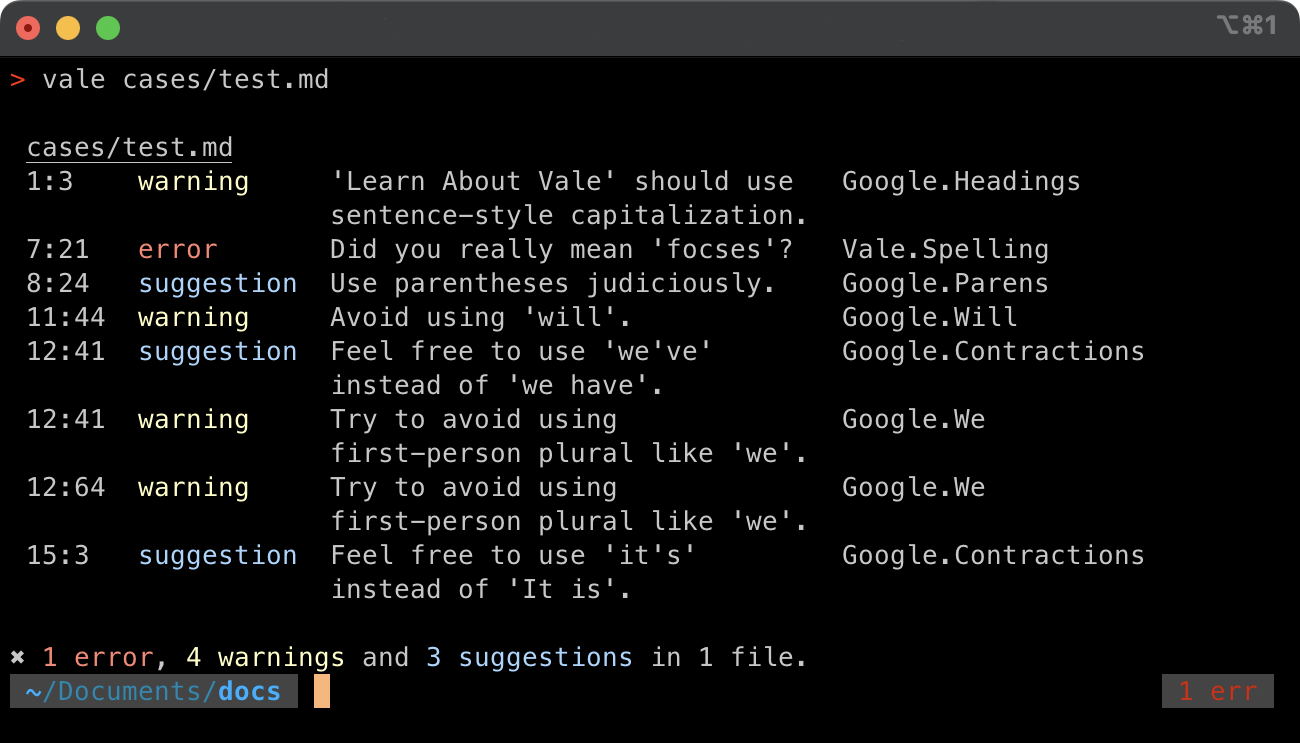
6.1K GitHub stars and 13.9M downloads show Vale’s niche: prose linting that understands markup. Teams can lint headings, lists, table cells, comments, and prose while skipping code blocks and URLs. - Typst makes big strides
Typst 0.15 exposes 13 axes and tighter HTML export behavior. Authors can tune typography precisely while browser-facing documents get closer to rendering that is actually useful.
AI Scale and Model Economics
AI scaling is splitting into two economies: one buying spectacular math proof with agent compute, the other trying to keep frontier capability while shrinking the bill. The open question is which pressure will shape model strategy next—bigger inference budgets or cheaper deployment.
- Navier-Stokes Solved!

OpenAI burned more than $10 million on 10,000 agents for 88 hours. If a century-old math win costs that much, AI scale is as much an economics story as an algorithm story. - Bonsai 2 27B: Near-Lossless Compression in a 9x Smaller Footprint
Bonsai 2 compresses a 27B model to 5.9GB at 1.76 effective bits per weight. That makes 262K-token, multimodal capability cheaper to run on consumer GPUs.
Security, Privacy, and Trust
Security and trust are tested at the edges: tools that promise convenience can quietly expand what systems collect, expose, or execute. The common thread is control—who decides what leaves a machine, who verifies an output, and how users recover when trust breaks.
- ZCode, the GLM coding agent, silently uploads your Git history14
ZCode: a 313MB encrypted archive went to Aliyun OSS before developers could inspect what left their laptops. That turns coding convenience into a privacy problem: your repository history may be outside your control. - US Military had close call after using AI for hallucinated intelligence report318

one Chinese ship and 3 million personnel show how fast hallucinated intelligence can become operationally dangerous. A report can look official while still being built on bad inputs. - Not In My Git Yard: Catching Backdoors at Commit and Release Time

Lily: hundreds of commits and releases faced five attacker evasion strategies before backdoors spread. CI can turn security checks into a gate: block suspicious code and releases before users download them. - I don’t like passkeys726
2-3 hardware keys cover 25-100 accounts; top keys reach 300. For personal users, recovery and portability may beat phishing protection. - Cloudflare Quick Tunnels265
Cloudflare Quick Tunnels: 3 seconds, 0 ports opened, and a public URL for localhost. Anyone with the link can reach the service through Cloudflare’s encrypted edge.
Software Engineering Foundations
Software engineering progress often comes from small contracts, measurements, and resource accounting: type systems protect assumptions, tests define change boundaries, benchmarks expose hidden configurations, and algorithmic detail compounds across fleets. The same discipline appears in AI workflows, where automation still depends on human oversight until the oversight becomes the part to remove.
- There’s no point at which turning your brain off will work
LLM loops are projected by September 2026 to run about a year and a half with less human intervention. Who cares: the company eventually automates the human out of the loop. - Unit tests mark territory more than squash bugs
Unit tests roughly double code size on average, yet they mainly mark territory around code. Who cares: teams run them to block disruptive commits before a change reaches production. - Saving another 100TB of RAM with math (and Rust)

Cloudflare’s DNS team reclaimed >100TB of RAM with compact hash-ring metadata. Who cares: 1%-at-a-time improvements across thousands of servers can save petabytes of memory in fleet-wide deployments. - Benchmarking Wild vs Mold
Mold 2.42.1 and Wild moved from 1.2x gaps to about 1.0x ratios under matched settings. Who cares: output-file handling, ext4, and —no-fork can decide which build tool wins. - FAQ: Why isn’t mutable a subtype of immutable, or vice versa?
Immutable pairs use 3 operations: cons, car, and cdr; mutable pairs add set-car! and set-cdr!. Who cares: making mutability part of the type contract keeps subtype assumptions honest. - The C++20’s u8/char8_t Backward-Compatibility Fiasco
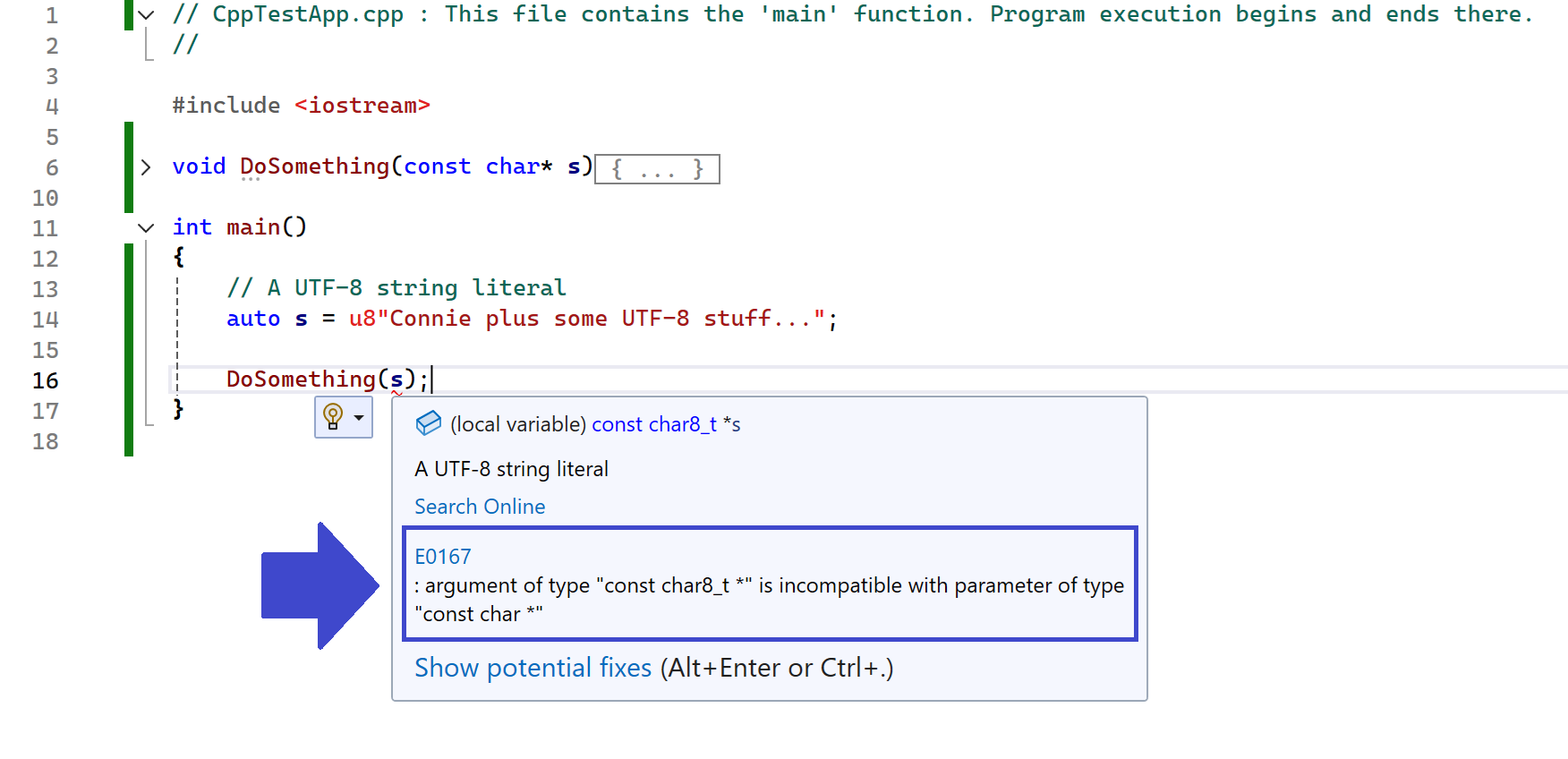
C++20 changed u8 literals from const char arrays to const char8_t arrays. Who cares: existing UTF-8 string code that passes const char* functions can break during a routine upgrade.
Technology Labor and Ownership
AI training deals and community publishing models are both asking who owns the labor embedded in digital knowledge. The tension is between extraction at scale and stewardship that keeps knowledge usable.
- Microsoft exec called AI scraping ‘the largest theft of labor in human history’769

Microsoft: three years ago, the “largest theft of labor in human history” claim hit publisher data used for AI training. The filing matters because it shows buyers knew value and risk. - CSS-Tricks could be a co-op

CSS-Tricks: one co-op option is to keep the site community-owned, not archived. If readers and writers own the infrastructure, preservation becomes a shared obligation.
Cross-Platform App Delivery
Cross-platform delivery is shifting from maintaining separate native projects to packaging a single Python UI into web, desktop, and mobile targets.
- Flet : Build cross-platform apps in Python
Flet 1.0 promises one Python codebase for web, desktop, and mobile. It reduces platform-specific UI maintenance when shipping controls, tests, and packaged builds.
Filtered out11 links
These scored below 40% relevance, so they were left out of the digest.
- Hacking OpenAIhacktron.ai · 35%
- Release v0.29.0 · warp-tech/warpgategithub.com · 33%
- Android 17 is the first since 3.x to add new APIs without releasing to the AOSPgrapheneos.social · 31%
- A quartet of Linux local root vulns: DirtyAH6, PPPoEject, TUNderflow, and DiagSpillseclists.org · 27%
- awesome-tunneling: List of tunneling software and servicesgithub.com · 23%
- sudo and OpenDoas timestamp files (2020)xn--1xa.duncano.de · 12%
- What is still exciting in tech?lobste.rs · 12%
- Internet Phone Bookinternetphonebook.net · 10%
- The Bikeshed email — PHKs Bikeshedphk.freebsd.dk · 6%
- Warren Buffett Steps Down as Berkshire Chairman, Names Son to Replace Himnytimes.com · 0%
- What are you doing this weekend?lobste.rs · 0%
Generated by Clio Analyst