Daily Digest — 2026-09-25
Jump to a section
Signals
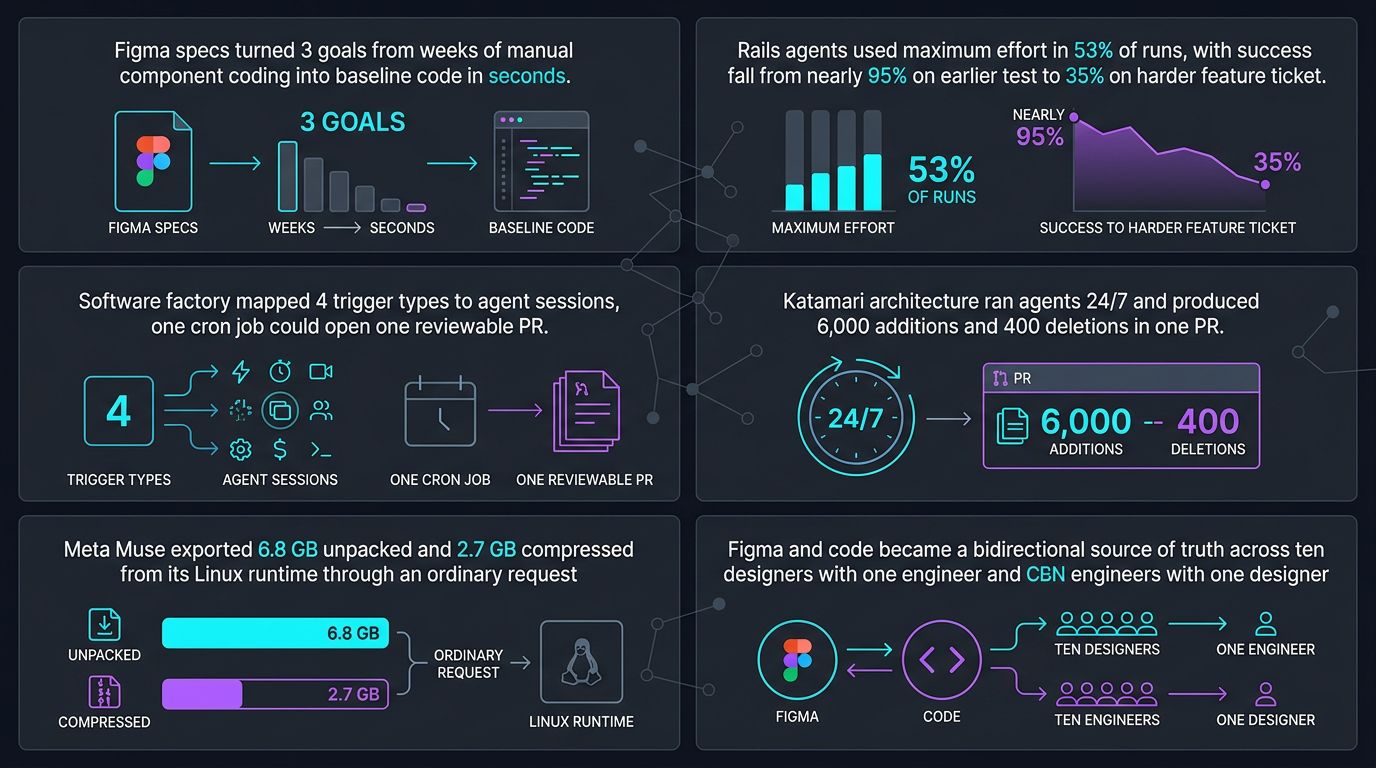
- Figma specs turned 3 goals from weeks of manual component coding into baseline code in seconds. Design teams.
- Rails agents used maximum effort in 53% of runs, with success falling from nearly 95% on an earlier test to 35% on a harder feature ticket. Developers own review.
- Software factory mapped 4 trigger types to agent sessions, and one cron job could open one reviewable PR. Teams gain reviewability.
- Katamari architecture ran agents 24/7 and produced 6,000 additions and 400 deletions in one PR. Review capacity lags.
- Meta Muse exported 6.8 GB unpacked and 2.7 GB compressed from its Linux runtime through an ordinary request. Agent users.
- Figma and code became a bidirectional source of truth across ten designers working with one engineer and ten engineers working with one designer. Product teams.
Themes
AI-assisted development and agent workflows
AI-assisted development is shifting from writing code to designing reviewable loops: specs and triggers become machine-readable intent, while confidence, ownership, and review capacity decide what can safely ship.
- Generating Code from Specs
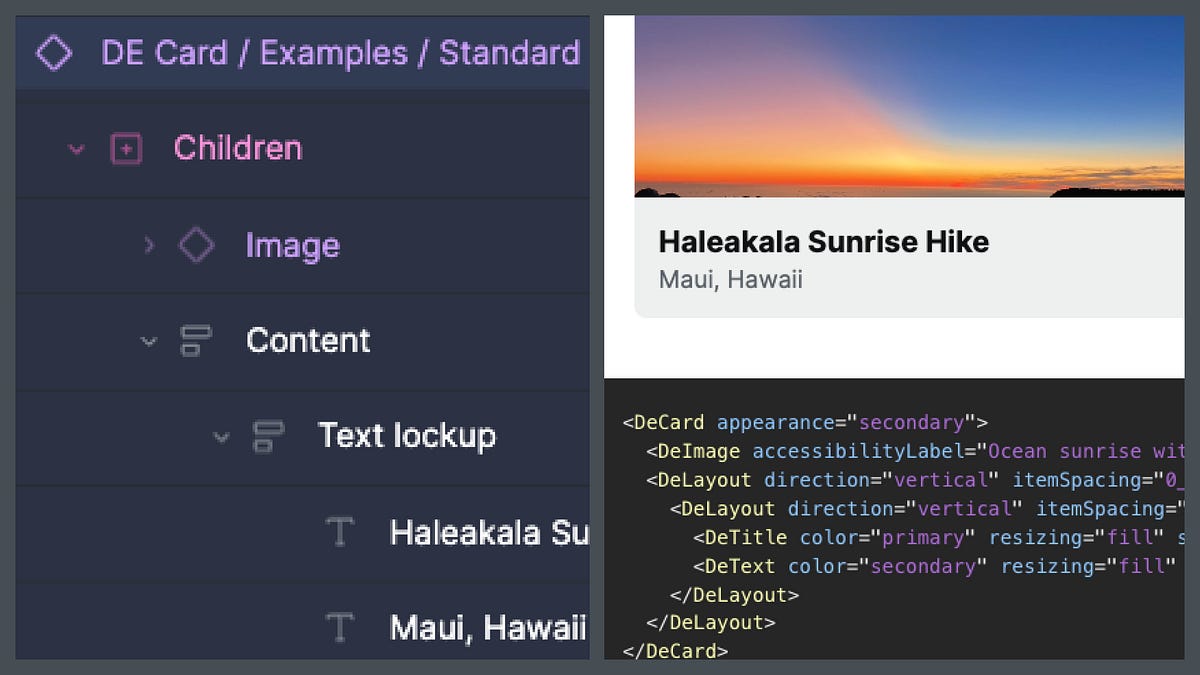
specs react: 3 goals became a baseline code tree in seconds, so teams can stop hand-building repetitive components. - Pencils Down, Eyes Open: A Rails Developer After Rails World
Rails agents: 100-to-1,000-times faster drafts still need humans to review behavior, protect data, and own what ships. - katamari architecture

katamari architecture: 24/7 feature growth can produce a PR with 6,000 additions and 400 deletions, turning review capacity into the bottleneck. - Dark factory | AI Coding Dictionary
Dark factory: zero humans read merged code, so automated checks can become a convincing debug blind spot. - agent-shell 0.78 updates

agent-shell 0.78: two agents can queue or steer turns while you keep working, making the terminal less of a waiting room. - Clankers Made Me Build a Second Brain

Obsidian: 1823 words and 9 min of notes can replace repeated AI lookups with durable personal context. - Introducing Lev
Lev: a few hundred milliseconds for 395M-parameter classifiers can route easy decisions, but confidence still decides when to fall back. - Software factory | AI Coding Dictionary
Software factory: 4 trigger types can feed agent sessions, and 1 cron job can open 1 reviewable PR instead of an opaque batch.
Design and code as a shared source of truth
When design and code trade authorship, the product gets a living contract instead of a handoff: prototype, production, and review keep moving in both directions. The tension is the point—ownership changes before drift can settle.
- The Source of Truth Is a Ping-Pong Ball

Ten designers to one engineer, then ten engineers to one designer: over a better part of two years, the team turned handoffs into loops by treating design and code as a shared source of truth with subject-matter checks.
AI work and market economics
The bottleneck in software value may be shifting from creation to orchestration: if machines can make code and custom apps, the scarce asset may be who controls the workflow layer.
- Agents: The new, New Kingmakers
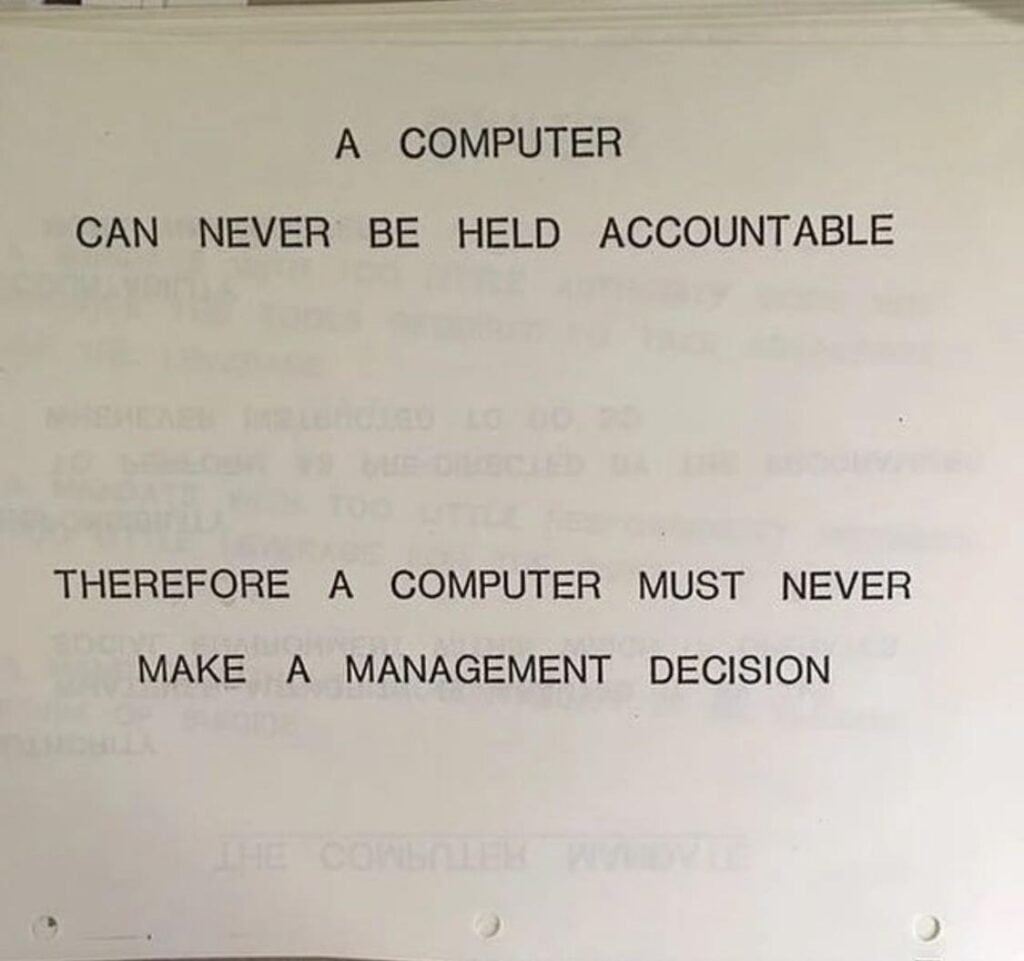
Agents: The new, New Kingmakers’ agents were discussed over a decade ago. Who cares: the scarce software skill may shift from code-writing to directing models that choose languages, libraries, and frameworks. - SaaS Isn’t Dead. Sameness Is
SaaS Isn’t Dead. Sameness Is points to $234 billion by 2030 for shared services. Who cares: identical apps may lose to platforms that power many tailored workflows.
People, technology, and platform power
Platform power shows up twice here: in the workplace, AI is governed by how employers deploy and monitor it; in social feeds, it is governed by what platforms remove.
- AI Workers’ Inquiry 2026

AI Workers’ Inquiry 2026: harms follow employer rollouts—how AI is introduced, controlled, measured, and used, not just model quality. Who cares because workplace AI governance is the bottleneck. - Meta takes down a critical video about meta AI Glasses after filming at Meta363
Meta 10 years: a critical Meta AI Glasses video was removed after filming at Meta, while the same video stayed on YouTube. Who cares because platform moderation decides what survives.
Privacy and security
These stories show privacy failing at boundaries: trusted interfaces can turn user intent into exposure, even when the underlying data remains encrypted or access appears ordinary. The common danger is a small contract—between user, platform, and attacker—becoming the real attack surface.
- I asked Meta’s Muse for its filesystem and it sent me 6.8 GB
6.8 GB vanished into Muse’s export, and an ordinary conversation became a filesystem disclosure. That makes agent sandboxes look leaky long before any container escape. - SourceHut account takeover via build logs (XSS in ansi2html.py)
SourceHut logs sat vulnerable for over a year, and OSC 8 hyperlinks became a script injection route. A patch submission or hostile remote resource can turn CI output into account takeover. - Combining Machine Learning and Homomorphic Encryption in the Apple Ecosystem
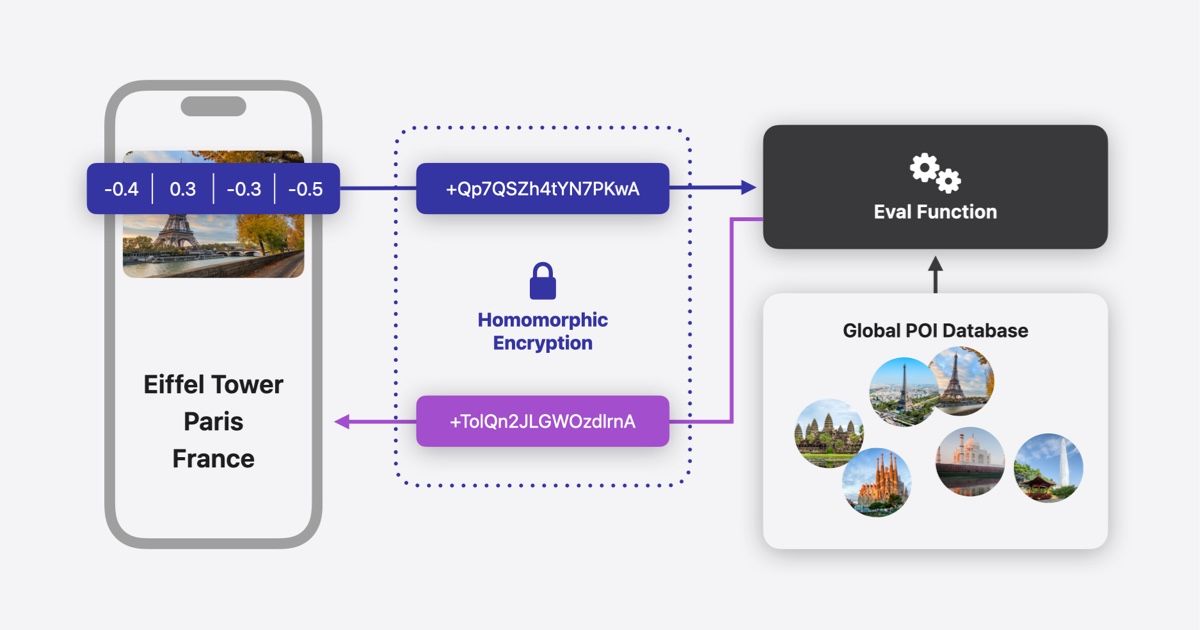
iOS 18 makes Apple’s BFV, PIR, and PNNS private server lookup practical, and the server never sees the plaintext query. That keeps ML enrichment useful while shifting trust away from the database. - Forging 1024-bit RSA signatures in nearly SNFS time
1024-bit RSA gave attackers a raw oracle path in 232 queries, and forging landed after 1,380 CPU core-years. That is faster than factoring and worth treating 1024-bit as a decaying security class. - File Notification Attacks: Side-Channel Leakage from the File-Notification System on Linux, Android, Windows, and macOS

Linux inotify has exposed cross-user watches since 2.6.13, and file notifications can leak timing without file contents. On Android, Windows, and macOS, event streams can become behavior fingerprints. - Two-tier encryption in the UK384
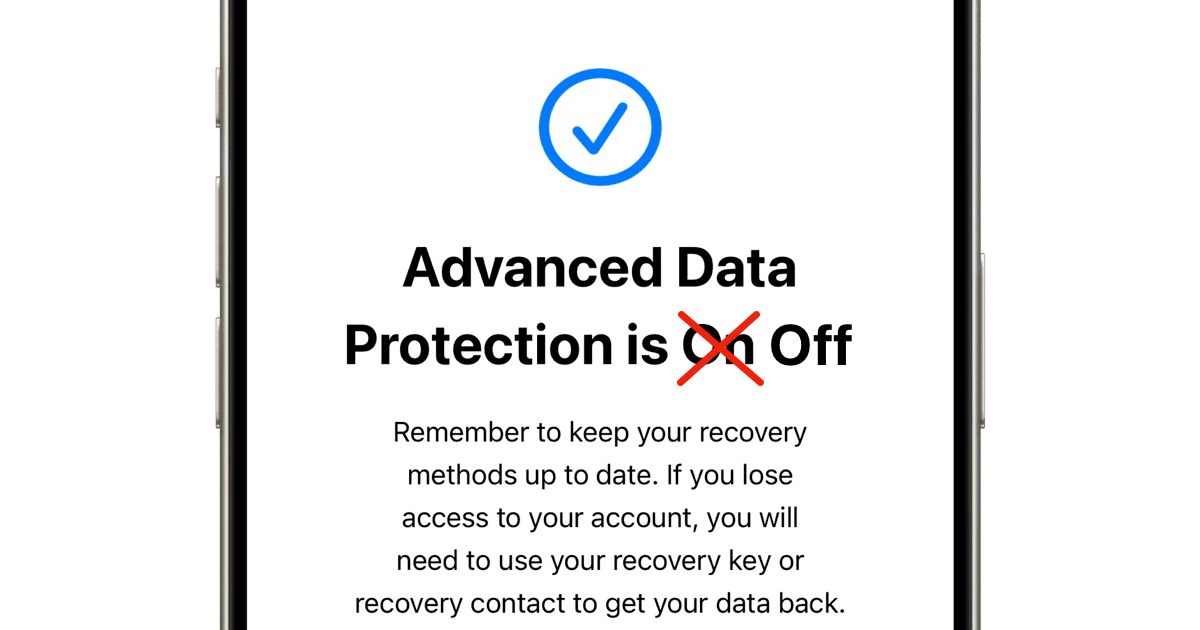
February 2025 changed UK iCloud privacy, and Advanced Data Protection stopped applying to new UK users. A Technical Capability Notice can make future access a product feature, not just a legal argument.
Software infrastructure and operations
These infrastructure stories share a pattern: teams are making release, image, import, and availability workflows reproducible or observable without surrendering control to vendor defaults. The interesting question is how much operational risk disappears when pins, caches, registries, telemetry, and worker-aware batching become first-class design inputs.
- From Thin Air to Bootable Images: The tine Build System
tine Build System, 13 min read: Buck2 and a generic build-file language manage OS images, UKIs, systemd sysexts, Go, and Rust components from hermetic inputs. The payoff is bitwise-reproducible outputs without forcing the workflow into an image-only framework or a heavy service. - Breaking Up with Google Play: Why Conversations Is Now Free
Google Play, 15% Google fee: Conversations swapped store revenue for grant funding and made F-Droid the main distribution path. A reproducible APK signed by the author’s key means release operations can survive leaving a platform fee behind. - Massive Parallel Imports in Neo4j Without Deadlock and Lock Contention

Neo4j, K-1 coloring: import workers can use hash-derived partitions equal to the worker count and batch them to avoid node-set conflicts. That replaces fixed ID-digit partitions and unsafe diagonal batching with concurrency that scales with the cluster. - Nspawn comeback: an OCI hub, new images and nspawn 1.0.0
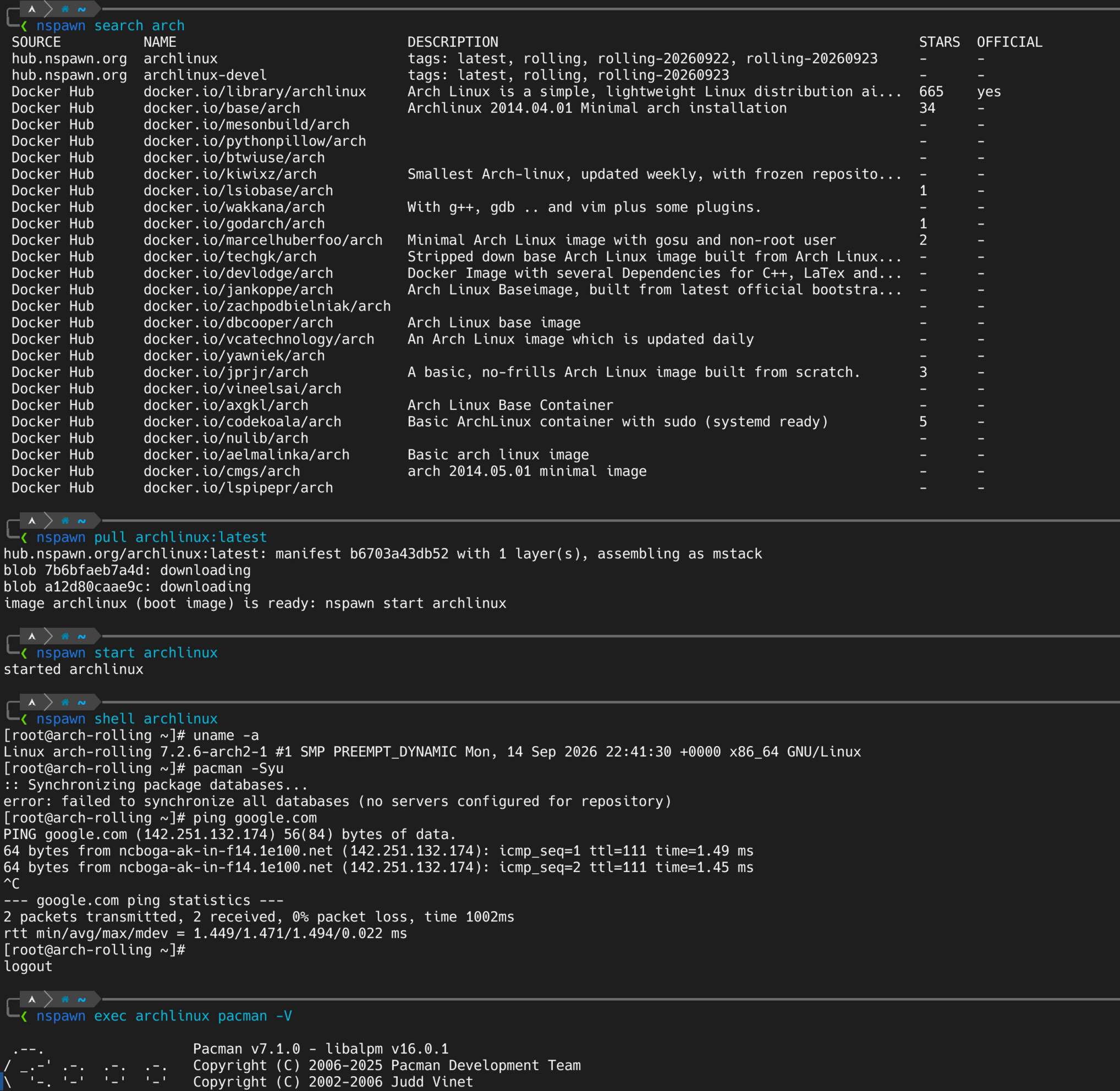
nspawn 1.0.0, 50 entries: the OCI hub pins builds with dated tags while moving tags follow the newest image, replacing tarball pull pain with registry-backed pulls through systemd-machined. The registry keeps the latest 10 dated tags per repository, which is enough for pinning without hoarding images. - F-Droid 2.0

F-Droid 2.0, 14 test releases: the FOSS Android app store rewrites discovery around Kotlin Compose, Material Design, better search, combined filters, onboarding, and management. The result is a decade-scale update that keeps user tracking out of the maintenance model. - Track GPU Availability Cloud Capacity
Datadog, 24h lookback: GPU availability scores group regions and instance types by observed provisioning success, but they measure the dashboard owner’s telemetry rather than cloud-provider inventory. A High score of 61-100 is a lead, not a reservation.
Programming language engineering
Language engineering is becoming less about inventing syntax and more about choosing boundaries where portability, playfulness, and type structure absorb platform detail. The common thread is moving hard language decisions into testable structures developers can run.
- Platform-independent SIMD in Go
Go 1.26/1.27’s simd package makes 512-bit vector code portable across AVX, NEON, and wasm SIMD. Developers keep assembly-like speed without scattering target-specific branches. - whatsnewt: A TUI text adventure through what’s new in Python 3.15
Python 3.15 arrives with 18 puzzles and 375 points in whatsnewt. The docs stop being a reference and become a terminal game, so learning a release feels like leveling up. - We Have Named Arguments at Home

Rust’s 80% named-argument ergonomics fit in one struct and 4 consecutive u32s. The call stays idiomatic, but argument names move into the type system. - Parsing Expression Grammar vs. regexes: Building Org parser in Lisp that exports to HTML (via SXML)
OrgWebAlchemy v1.0 turns Org parsing into a Guile PEG grammar instead of a growing regex pile. The AST-to-SXML-to-HTML path makes language rules visible enough to test and extend. - Running Pixelflut on a 2010 router

2010 router Pixelflut runs on a single-core 700MHz MIPS32 router with about 64MB RAM. Matching Rust’s target triple to the CPU, not OpenWRT assumptions, turns a tiny network toy into embedded proof-of-concept.
Web and desktop interface engineering
Interface engineering is getting more explicit: small browser contracts, compositor bridges, and CSS sizing semantics are moving domain behavior closer to the element that owns it.
- Enhanced Spell Checking on the Web
document.spellCheckCustomDictionary ships exactly two methods. A per-document custom dictionary cuts false spellcheck errors without rewriting browser dictionaries. - Casilda 1.6 Released

Casilda 1.6 supports three drag-and-drop use cases. Cross-compositor clipboard transfer now depends on coordinated providers, pipes, and proxy sources. - These two features make styling textareas easier

CSS LH sizing grows textareas by line height. One CSS line can make fields track content instead of fixed pixel heights.
Filtered out6 links
These scored below 40% relevance, so they were left out of the digest.
- Gemini is outdatedyoutube.com · 36%
- Launching FreeBSD/EC2 desktop AMIsdaemonology.net · 33%
- Apple Copland D11E4 Emulator in Your Browserpagetable.com · 32%
- Pick OS is a Living Fossil of Computer Historycsixty4.medium.com · 27%
- RAM: the forgotten historyblog.coredump.cx · 24%
- Double-entry bookkeeping and paper and tokenshonza.pokorny.ca · 20%
Generated by Clio Analyst